
With global environmental problems becoming increasingly severe, sustainable environmental protection has become an indispensable part of everyone’s daily life. Environmental actions not only help improve the ecological environment but also inspire community participation and social responsibility. Modern environmental initiatives increasingly emphasize combining green lifestyles with social welfare activities , allowing environmental behaviors to generate broader social value. In this way, individuals, businesses, and communities can promote the development of public welfare while protecting the environment.
The core values of sustainable environmental initiatives
Social impact of environmental protection actions
The benefits of sustainable environmental actions extend beyond the environmental sphere. For example, reducing plastic use and waste sorting can directly improve urban sanitation; conserving energy and water resources reduces community spending while simultaneously decreasing carbon emissions. According to a report by the United Nations Environment Programme, promoting environmental awareness in communities worldwide can significantly improve residents’ quality of life and enhance community cohesion.
Promoting public awareness and behavioral change
The success of environmental initiatives is inseparable from raising public awareness. Through community outreach, online social media interaction, and environmental education courses, more people are able to actively participate in green actions. For example, some cities are organizing environmentally friendly handicraft activities in community squares, allowing residents to understand the importance of conserving resources through hands-on experience.
How to combine environmental protection actions with social welfare
Typical Case Studies
The integration of environmental protection activities and philanthropy is showing a diversified trend. For example:
- Green recycling and charitable donations : Residents recycle waste items and donate the proceeds, such as funds or materials, to impoverished families or charitable organizations.
- Energy conservation activities and community support : Households reduce energy consumption and emissions, and the savings are used to support vulnerable groups in the community.
These cases show that environmental actions can inject new resources into public welfare projects and inspire more volunteer participation.
The supporting role of environmental initiatives for public welfare organizations
Environmental protection activities not only attract public participation but also enhance the social influence of non-profit organizations. Through environmental projects, non-profit organizations can showcase their sustainable development philosophy, thereby gaining corporate sponsorship and community support, creating a virtuous cycle.
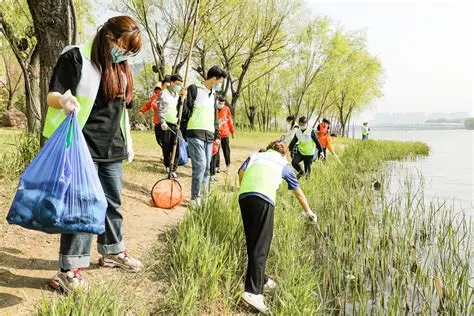
Implement a strategy that combines environmental protection with social welfare.
Start with daily habits
Every person’s daily actions can create value for social welfare:
- Use reusable shopping bags and water cups to reduce waste of disposable items.
- Green travel, such as cycling or using public transportation, reduces carbon emissions.
- Donate the resources or money saved in environmental protection practices to public welfare projects.
Community project planning
Community-level environmental protection projects can be combined with public welfare activities:
- Organize environmental volunteer activities, such as community greening and cleaning up public garbage, while raising funds for social welfare.
- An environmental points reward system has been established, where residents accumulate points by participating in activities, which can be redeemed for charitable donations or community benefits.
Incentive mechanisms and long-term participation
To ensure long-term participation, the following methods can be used:
- Establish a volunteer honor system to recognize individuals and teams who have made outstanding contributions to environmental protection and public welfare activities.
- Partner with businesses to provide rewards or benefits to employees who participate in environmental public welfare projects, encouraging continued action.
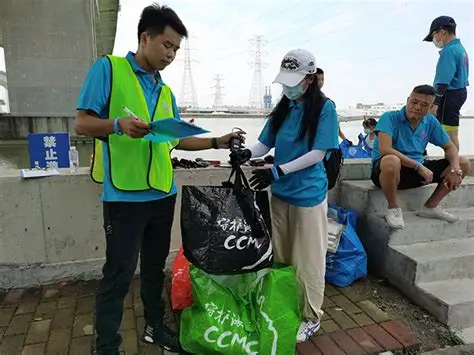
A successful environmental protection + public welfare model
Combining urban greening with public education
Some cities have combined community greening with children’s environmental education courses through environmental protection and greening projects, allowing children to understand the importance of environmental protection and public welfare in the process of participating in planting and caring for plants.
Corporate environmental protection activities and social welfare
Companies can combine energy conservation, emission reduction, or waste recycling activities with charitable donations. For example, a company can donate a certain amount to a charity fund for every kilowatt-hour of electricity saved or every piece of old clothing recycled.
School Environmental Protection Clubs and Public Welfare Projects
Student clubs organize environmental-themed charity sales and recycling activities, using the proceeds to support impoverished students or public welfare projects, thus achieving the dual value of environmental protection and public welfare.
Future Trends and Challenges
- Combining digital environmental protection initiatives with online philanthropy : Utilizing digital platforms to record environmental behaviors and donation data to achieve transparency and traceability.
- Cross-sector collaboration and social innovation : Environmental organizations, businesses, and non-profit organizations join forces to carry out cross-sector projects and enhance overall social benefits.
- Sustainability and long-term impact assessment : Through data analysis and effectiveness evaluation, ensure that environmental protection and public welfare projects can play a long-term role.
Conclusion
Sustainable environmental protection is not only a personal lifestyle choice, but also a social responsibility. By combining environmental initiatives with public welfare activities , we can improve the environment while bringing more positive impacts to communities and society. Every green action supports public welfare; every act of public participation can also deeply instill environmental protection concepts in people’s hearts.